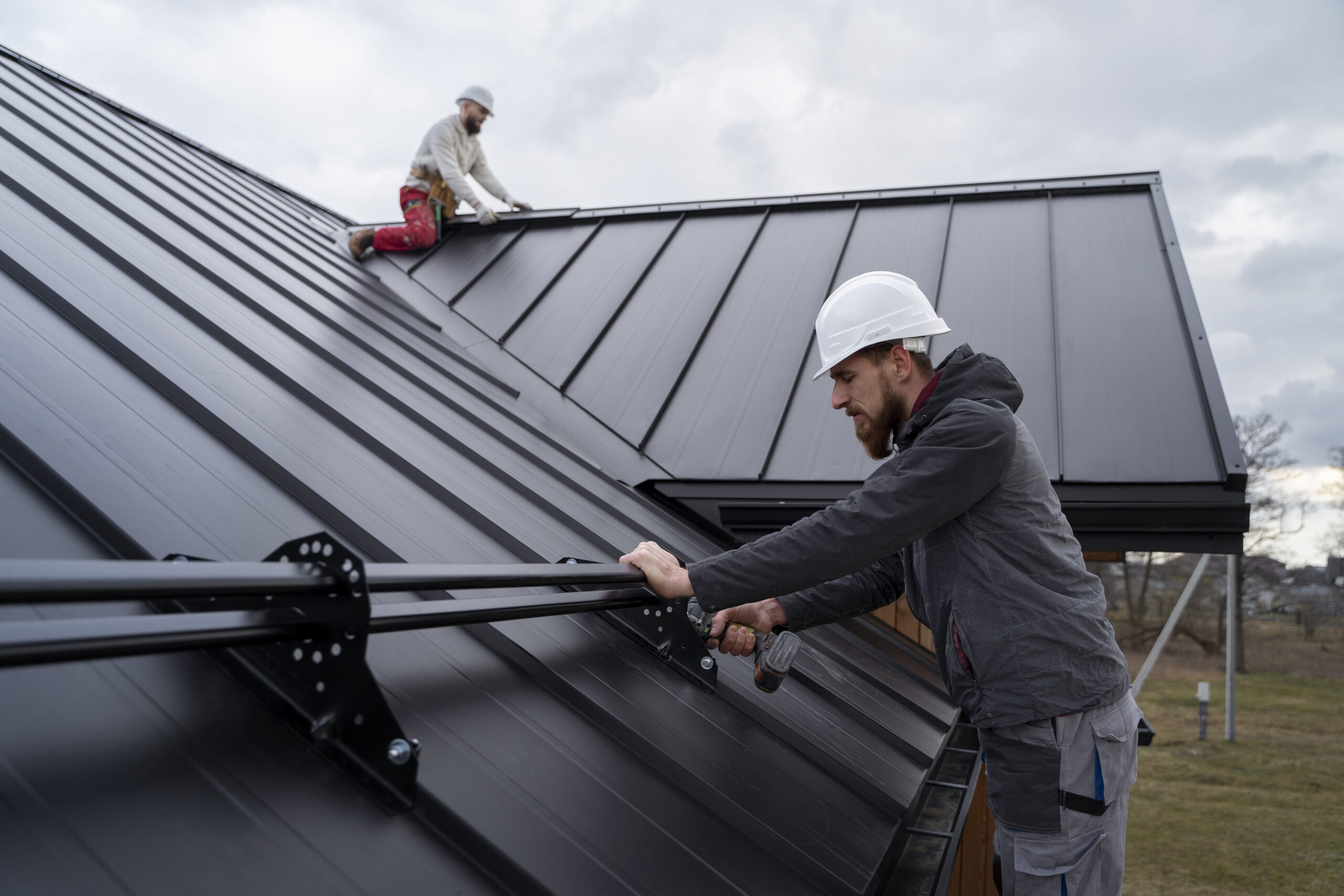
How Winter Boosts Roofing Quality and Efficiency
When it comes to replacing or repairing a roof, timing can make all the difference. Before the cold sets in up north, Florida enjoys mild, dry weather, the ideal time for roofing. With fewer storms, cooler temperatures, and steady sunshine, roof work becomes safer, faster, and more reliable. Winter offers the perfect balance of comfort, availability, and quality results for homeowners ready to repair or replace their roof. And winter in Florida offers a near-perfect window for smooth, stress-free projects. Why Florida’s winter works best:- Steady, Dry Weather: Fewer rain delays keep your project on track.
- Better Working Conditions: Cooler temps mean safer, faster work.
- Stronger Roof Installation: Shingles seal better in mild weather.
- Flexible Scheduling: Easier to book and complete on time.
- Less Stress for Homeowners: No storm rush, just smooth progress.
The Cost Advantage of Off-Peak Scheduling
The months after hurricane season bring clear financial advantages for Florida homeowners. As storm demand declines, material prices stabilise, and roofing crews have more availability. With steady weather and fewer disruptions, projects finish faster and cost less overall. Locking in rates before spring helps homeowners secure better pricing and flexible scheduling for long-term value. Another benefit of off-peak roofing is smoother coordination with insurance claims. Without the post-storm rush, approvals move faster, and reimbursements are processed more efficiently. Upgrading your roof during this calm period can also boost home value, improve energy efficiency, and reduce future repair costs, making it one of the smartest investments a homeowner can make.- Stable Material Prices: Prices drop as post-storm demand falls.
- Priority Scheduling: Crews are free for quicker starts.
- Faster Permitting: Fewer claims speed up approvals.
- Reduced Labour Hours: Calm weather means faster work.
- Warranty Confidence: Stable conditions ensure lasting quality.
- Early Rate Protection: Lock prices before spring increases.
Secure Before the Next Season
More than just a respite from severe weather, the months after hurricane season offer you the best opportunity to get ready for what lies ahead. Many homeowners in Florida wait until they notice leaks or wind damage, which can lead to urgent and expensive repairs. Your home will be safe long before storms return if you replace or reinforce your roof during the quiet, dry season. Every year, countless homeowners delay small repairs until the next rainy season — only to find themselves facing leaks, soaked ceilings, and emergency repairs that cost far more. The quiet months are your chance to stay ahead of nature’s cycle. By handling repairs now, you’re not just fixing issues; you’re buying time, security, and comfort before next year’s first weather alert. When installed in stable weather, a roof performs better in the face of strong winds and rain, bonds better, and seals tighter. Repairing damage is only one aspect of strengthening your house for the upcoming year. If you’re looking for a reliable Florida roofer to inspect or upgrade your roof before the next hurricane season, CFL Roofing is here to help. At CFL Roofing, we encourage homeowners to take a proactive step:- Get a Free Roof Inspection to assess post-storm wear and hidden issues.
- Check Flashings & Gutters for loose or clogged areas that can cause leaks.
- Review Attic Ventilation to ensure heat and moisture balance.
- Plan Early so you’re not caught in the pre-storm repair rush.
What Your Roof Is Trying to Tell You After Hurricane Season
After hurricane season ends and Florida skies finally clear, your roof may be quietly showing signs that it needs attention. While everything looks fine from the ground, hidden damage often lingers after heavy winds, rain, and flying debris. Listening to these early warnings can save you from major repairs later. What to Watch For:- Small leaks or ceiling stains: Your roof’s way of saying it’s been pushed to its limit.
- Loose or missing shingles: Damage from wind or debris that weakens protection.
- Granules in gutters: Shingles are aging or wearing faster than normal.
- Rising energy bills: Poor insulation or roof ventilation issues.
- Moldy smell or damp attic: Moisture trapped from storm exposure.
- Clear debris and leaves from the roof and gutters to prevent water buildup.
- Inspect for loose shingles, flashing, or nails after heavy winds.
- Schedule professional roof inspections twice a year, post-hurricane and pre-summer.
- Trim overhanging tree branches to prevent scratching or breaking shingles.
- Check attic ventilation and insulation to control moisture and reduce energy loss.